
Story 10 · Space 5+
Bani and the Star Post Office
≈ 5 min read
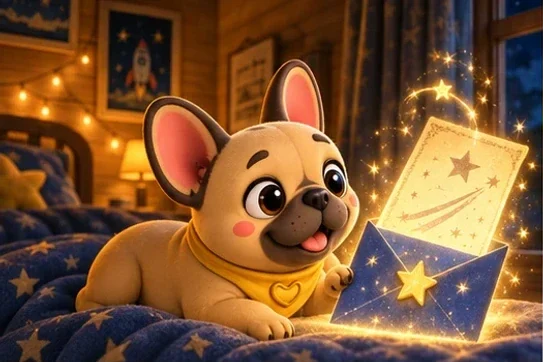
Late at night, something tapped Bani’s window as softly as a falling snowflake. On the sill lay a stardust envelope inviting him to the hilltop observatory. Its address only glowed in darkness, so Bani took a flashlight and cookies and set out. At the round tower, an old astronomer Owl met him. “The Star Post Office lost its sky map today,” she said. “Only someone who knows how to look and ask questions can bring it back.”
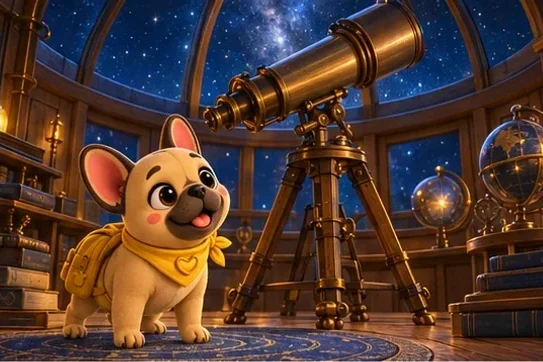
There was a huge telescope under the dome. Bani looked into it and recoiled: the Moon seemed so close that you wanted to touch the craters with your paw. But Owl explained that magnification does not bring objects closer, but only helps to see the details of a distant world. The moon was not its own lantern - it reflected sunlight and traveled around the Earth. The first silver line appeared on the empty map.
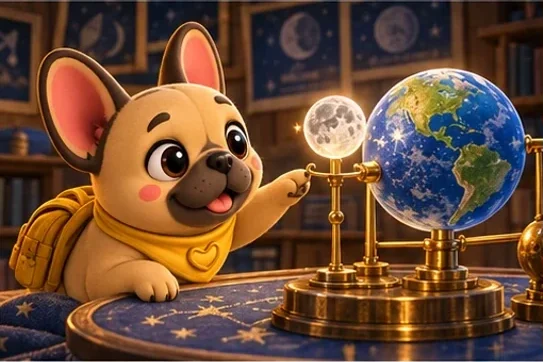
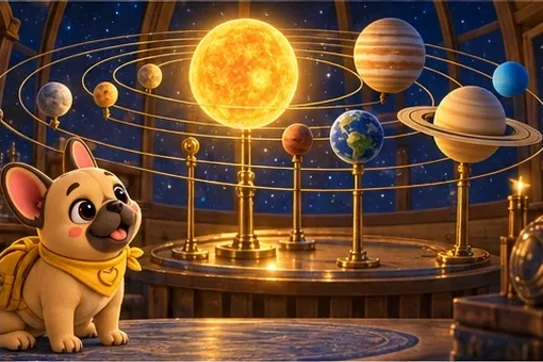
In the next room, a model of the solar system was rotating. The small Earth moved among other planets around a bright ball. “The sun is not a lamp suspended above us, but the closest star to the Earth,” said the Owl. Bani traced the paths of the planets and noticed that each had its own orbit. As he carefully returned the Earth to its path, a golden circle lit up on the map.
Behind the tower lies the Garden of Distant Lights. Some dots flickered, others shone more evenly. The stars themselves emitted light, and the planets mainly reflected it; besides, a small dot could turn out to be a huge star, just very distant. Bani realized that apparent size is sometimes deceiving. He stopped choosing the brightest light and began checking all the clues.
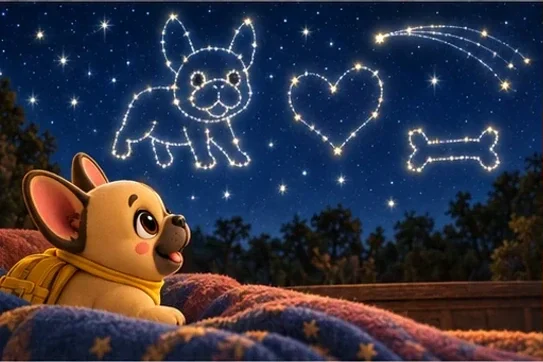
The owl showed how people mentally connect stars into constellations to recognize parts of the sky and tell stories. Bani saw a ladle, a bird, and then a pattern remarkably similar to his big ear. He called it the Traveler's Ear. The stars twinkled cheerfully, but remained in their original places: the lines existed only in the imagination of the observer. The map was filled with drawings and almost came to life.
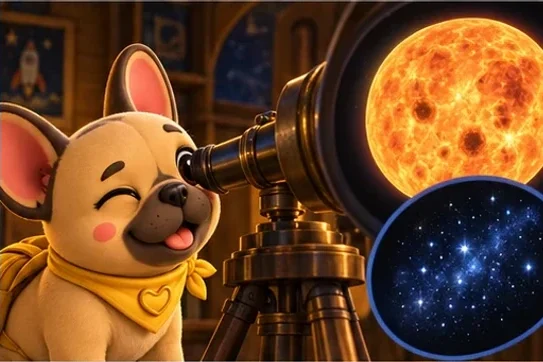
One door of the observatory led to the daytime balcony, but Owl stopped Bani before he pointed the telescope there. You cannot look at the Sun through a regular telescope - the bright light can damage your eyes. Bani closed the lid of the device and continued his night observations together with the adult Owl. Knowing the safety rules turned out to be no less important a part of the adventure than courage.
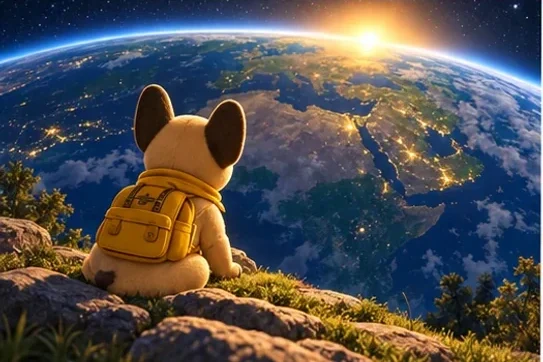
By dawn, Bani noticed that the dark edge of the Earth in the model was turning towards the Sun. Outside the windows the lanterns were going out and the sky was getting lighter. Day and night followed each other because the Earth rotated. The last piece of the map fell into place, and Star Mail again saw all the celestial addresses. Comet postmen joyfully carried letters along their routes.
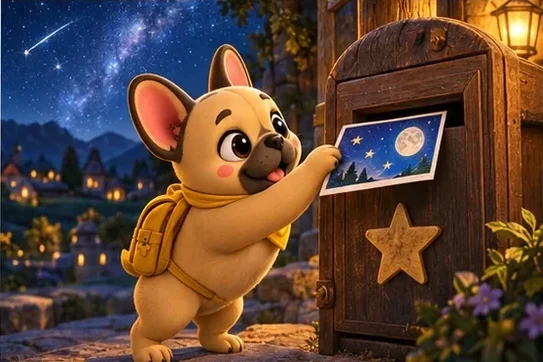
The owl handed Bani a card with an empty space for a new question. He wrote: “What else don’t we know yet?” - and sent it to his own home. Space did not become smaller, but it no longer seemed like silent darkness: there were stars, planets, orbits, light and many mysteries in it. Returning to bed, Bani saw the Traveler's Ear in the window. The constellation winked, as if promising the next expedition.